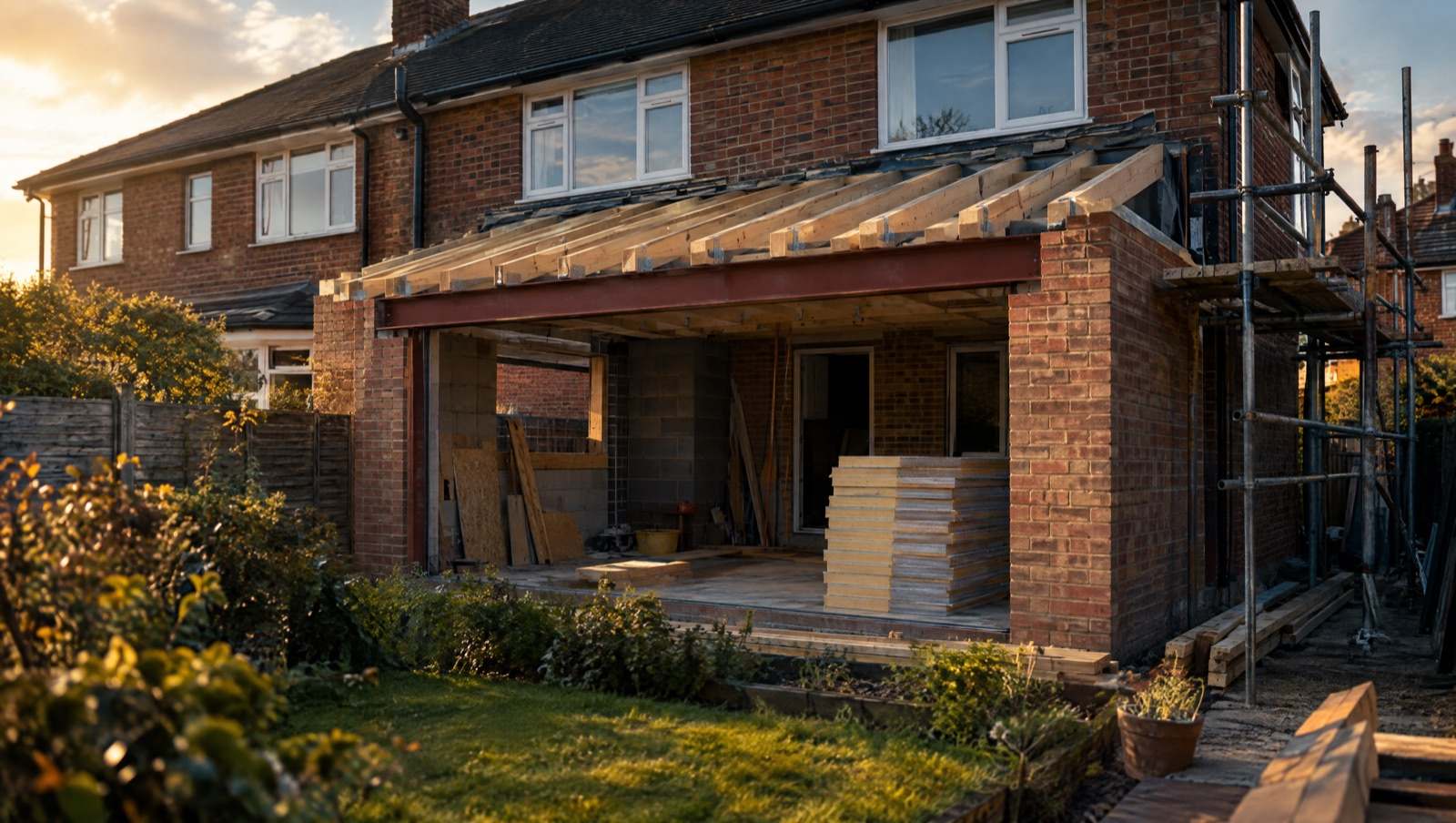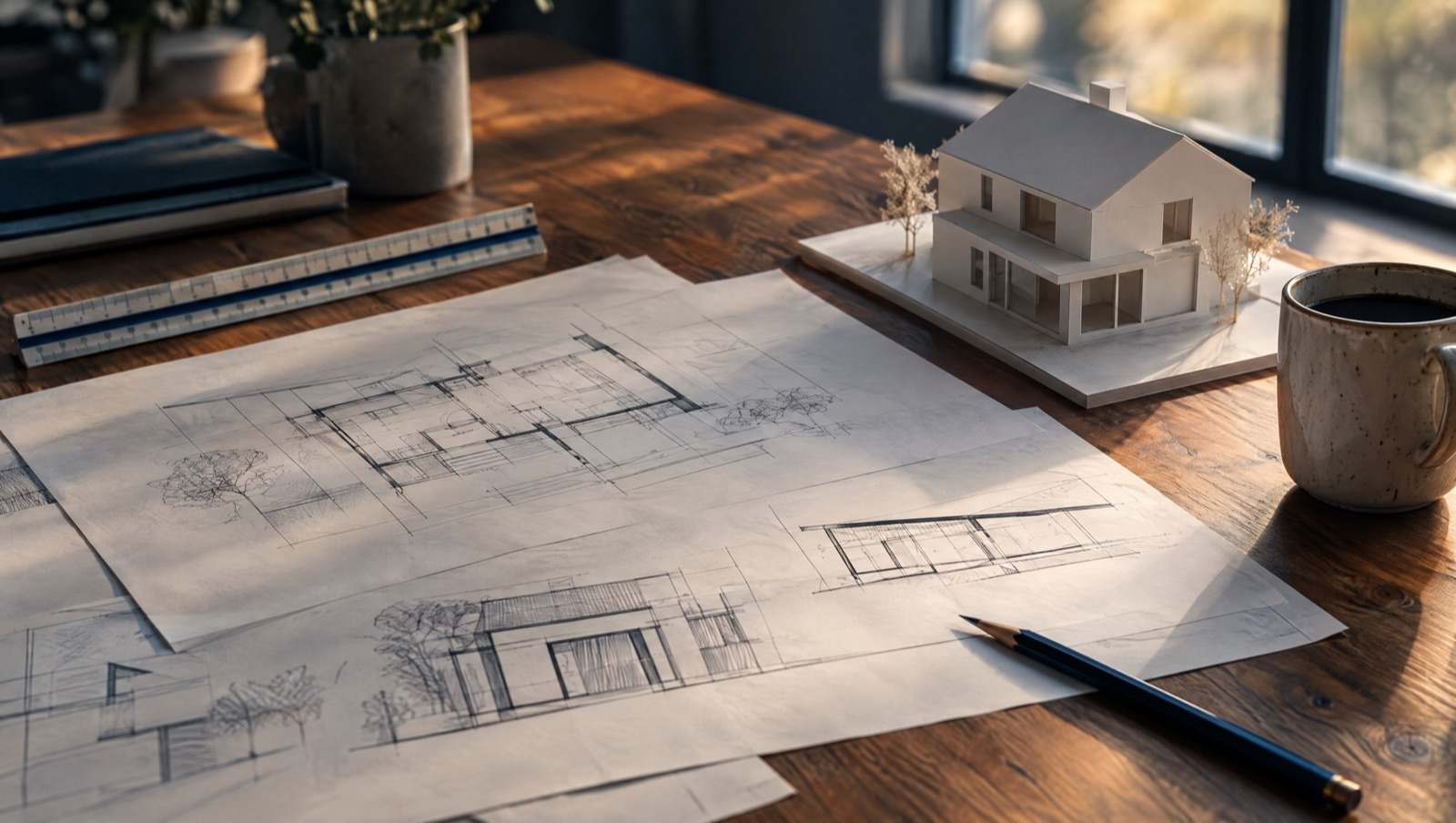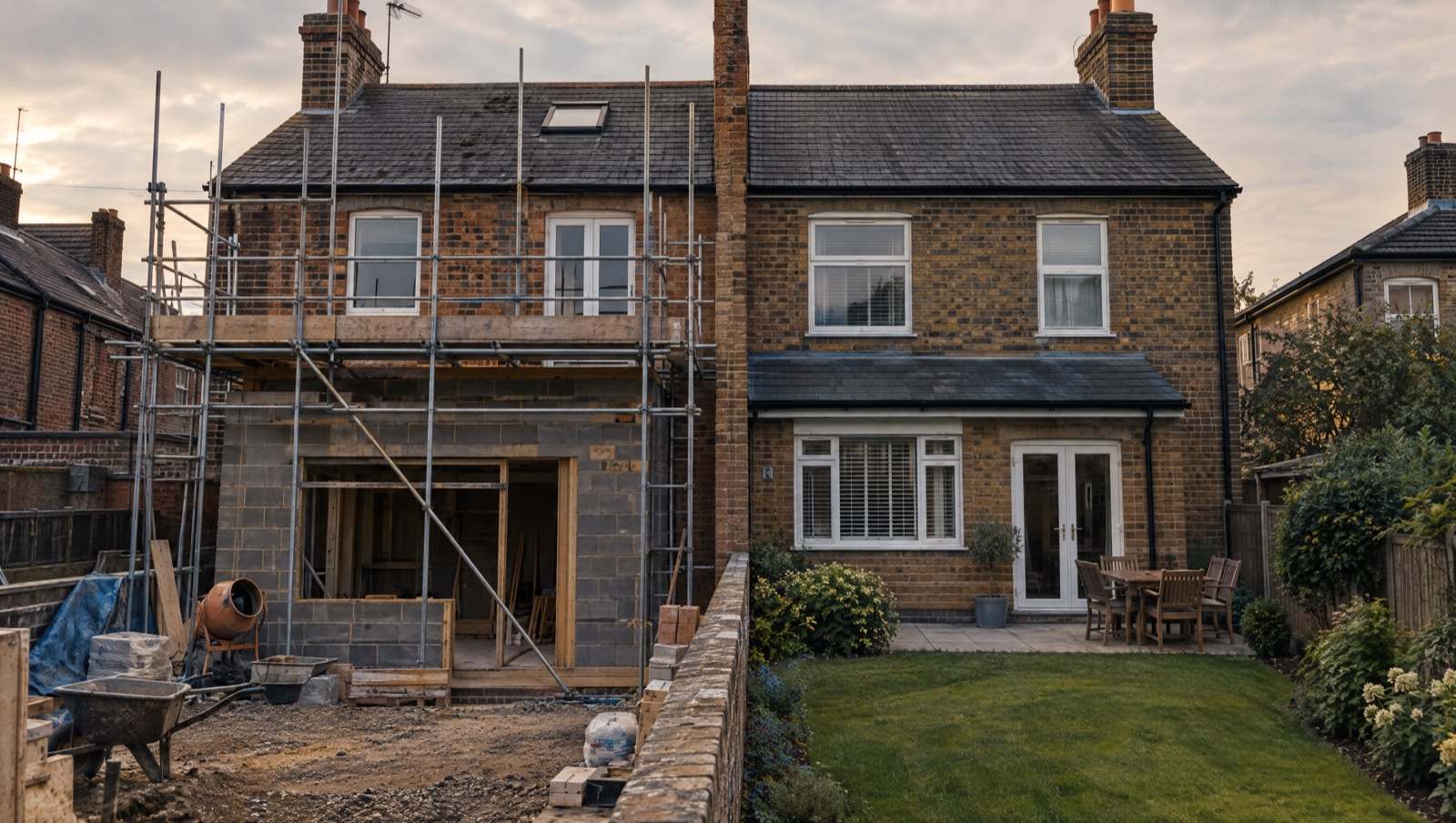
Planning permission and building regulations are two completely separate approval systems, and many projects need both. Planning decides what you're allowed to build and where — how it looks, what it's used for, and its effect on neighbours. Building regulations decide how it's built — whether it's structurally sound, safe in a fire, properly insulated and ventilated.
What planning permission covers
Planning is about the effect of a building on its surroundings: its size, appearance, use, and impact on neighbours, highways and the local environment. You usually need it for new buildings, major changes to existing ones, and changes of use — such as turning a house into business premises. Many smaller projects, including some extensions and loft conversions, can go ahead under 'permitted development' rights without a planning application, but those rights are more limited for flats, listed buildings and homes in conservation areas. The Planning Portal says most householder applications are decided within eight weeks of being validated, and validation takes extra time.
What building regulations cover
Building regulations set minimum standards for how work is carried out: structural stability, fire safety and means of escape, insulation and energy efficiency, ventilation, drainage and accessibility. Almost all extensions, loft conversions and structural alterations need building regulations approval, and so does most electrical, plumbing and heating work — what the regulations call 'controlled services or fittings'. Approval comes from a building control body, which can be your local council or a registered private building control approver.
Which projects need which
An extension beyond permitted development limits will typically need both. A loft conversion often needs no planning permission but always needs building regulations approval. Internal alterations like removing a load-bearing wall need building regulations but usually not planning — unless the building is listed. Replacing a kitchen with like-for-like units may need neither, although any new electrics, plumbing or gas work within it will still fall under building regulations. If you're unsure, the Planning Portal's interactive guides are a good starting point, and your council can confirm.
Competent person schemes can save you an application
Some work can be self-certified by a tradesperson registered with a competent person scheme — typically electrical installations, boiler replacements and window fitting. When they do the work, they notify building control on your behalf, so you don't need a separate application and it usually costs less. It doesn't cover larger structural work like extensions, which still need a building control body.
What happens if you skip either one
Citizens Advice warns that if you don't get the permission or approval you need, you might be fined, prosecuted, made to put things right or undo the work, and you may run into problems when you come to sell. Keep your planning decision notice and building regulations completion certificate somewhere safe — a buyer's solicitor will ask for both.
Frequently Asked Questions
Do I need building regulations approval for a loft conversion?
Yes — converting a loft into a usable room needs building regulations approval even when it doesn't need planning permission. Structure, fire escape, insulation and stairs all have to meet the regulations. Boarding a loft purely for storage generally doesn't.
Can I start work before planning permission is granted?
You can, but it's at your own risk: if permission is refused, you may be required to undo the work. For anything that needs permission, it's far safer to wait for the decision.
Who is responsible for getting building regulations approval — me or the builder?
Agree it in writing before work starts. Many builders handle the application, but the consequences of unapproved work can still fall on the homeowner, so check the completion certificate is issued at the end.
Where this information comes from
- Planning Portal — Difference between building regulations and planning permission
- Citizens Advice — Before you get work done on your home
- GOV.UK — Planning permission
- GOV.UK — Building regulations approval
General information only, not legal or financial advice. Last checked 2026-09-30.